

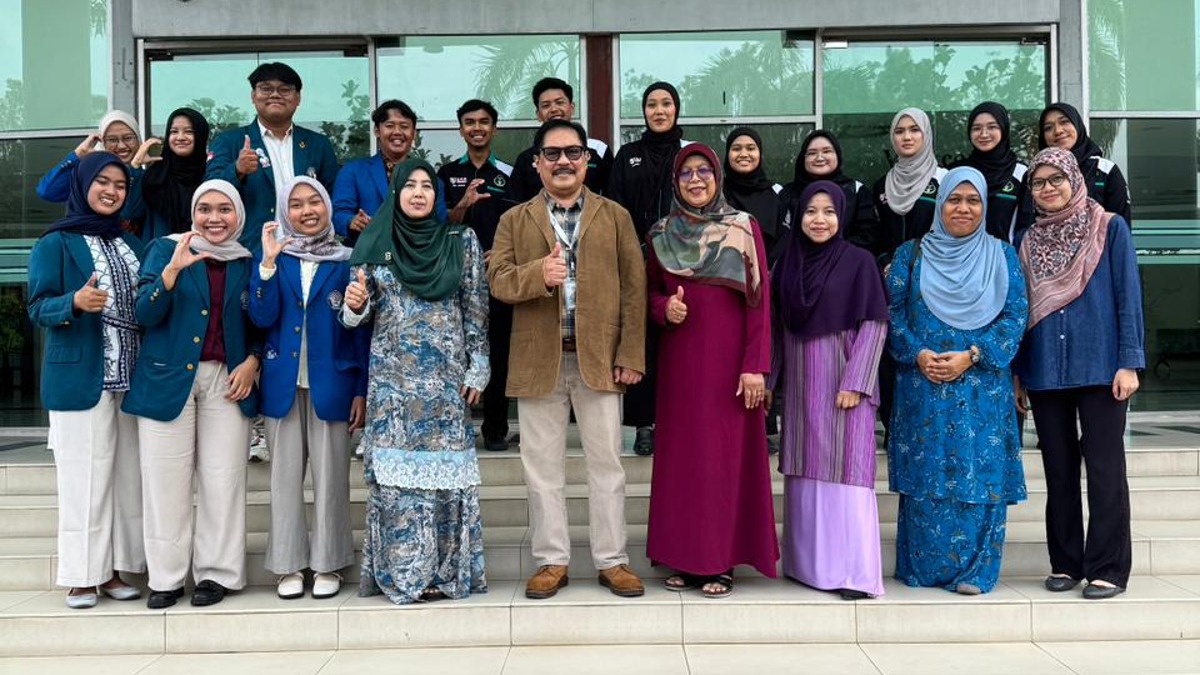
The Faculty of Public Health, Diponegoro University (FKM UNDIP) has once again strengthened its international academic network through the Lecturer and Student Mobility Program to the Faculty of Medicine and Health Sciences (FPSK), Universiti Putra Malaysia (UPM). The activity, which took place from June 1-25, 2026, became a space for academic collaboration to improve the quality of research, scientific publications, and cross-border learning experiences for UNDIP lecturers and students.
The mobility program began with an opening assembly, an introduction to the academic environment of FPSK UPM, and strengthening the research agenda with supervisors. In the first week, participants participated in the Research Project Seminar and Manuscript Writing Seminar as the initial foundation to compile a scientific manuscript that is ready to be developed towards publication. This agenda emphasizes the accuracy of problem formulation, strengthening methodology, clarity of scientific contributions, and strategies for preparing articles in accordance with the standards of reputable journals.
The next series of activities focused on study data analysis, critical appraisal, and introduction to Environmental Health and Occupational Safety (EH & OSH) laboratory instrumentation. Through this session, participants gained a practical understanding of data quality, selection of analysis approaches, interpretation of results, and strengthening of scientific arguments in manuscripts. This approach is important so that environmental health and public health research does not stop at data collection, but can produce evidence-based recommendations.
Participants of the International Student Echange Program (outbound) were attended by 7 (seven) undergraduate students of FKM UNDIP as many as 3 students and 4 master’s level students, namely: 1. Talenta Yemima (S1-Kesmas), 2. Muhammad Auliya Rahman (S2 MKL), 3. Jessyca Widya Pratiwi (S2 MKL), 4. Salsabilla Aulia Safitri (S1-Kesmas), 5. Nabilah Zahra (S2 MKL), 6. Esti Widyastuti Prabasukma (S2 MKL) and 7. Michael Sebastian Lie, (S1-Kesmas)
An extraordinary response by Prof. Juliana as the study program manager at FPSK UPM, supervisors, mobility committee, accompanying lecturers, and all student participants. The leader of the group, Dr. Ling. Ir. Tri Joko, M.Si, said that this program was designed not only as an academic visit, but as a measurable output production process. The main outputs of the activity include the implementation of academic seminars, the preparation of research manuscript drafts, the increasing capacity of participants in scientific analysis and writing, and the final presentation by each participant as a form of academic accountability.
Seminars, Manuscripts, and Final Presentations of Participants
In addition to research project seminars and manuscript writing seminars, activities were also directed at deepening the participants’ research themes, ranging from indoor air quality, dust exposure and lung health, climate factors and leptospirosis, hydrogen sulfide exposure in scavengers, PM2.5 and cardiovascular risk, tuberculosis susceptibility index, to region-based spatial-environmental determinants of disease. The diversity of themes shows the relevance of the program to the evolving issues of environmental health, epidemiology, and occupational safety.
In the third week, participants prepared a draft manuscript for publication and participated in the Seminar on Communicable Disease. This session broadened participants’ insights in reading public health problems in an interdisciplinary manner, especially on infectious diseases influenced by environmental changes, population mobility, social conditions, and the quality of health monitoring systems.
The peak of the activity was marked by the Seminar on the Presentation of Investigation Results in the fourth week. In this final session, each participant presented the research progress, analysis design, initial findings, and manuscript improvement plan. Individual presentations are a space for scientific evaluation as well as a means of getting feedback from supervisors, accompanying lecturers, and other participants.
|
Activity outputs: academic seminars, strengthening data analysis, critical appraisal, publication manuscript drafts, research guidance, and final presentations of each participant. |
Through this program, FKM UNDIP affirms its commitment to strengthening international recognition, publication culture, and research collaboration networks with partner universities. The UNDIP-UPM collaboration is expected to continue in the form of joint publications, development of research proposals, academic exchanges, and strengthening student capacity in producing scientific works that have an impact on public health.
The activity was closed with appreciation to FPSK UPM, supervisors, mobility committees, accompanying lecturers, and all participants who have actively participated in a series of programs. The spirit brought from this mobility program is expected to be an important capital to produce quality manuscripts and expand the contribution of FKM UNDIP at the regional and global levels.
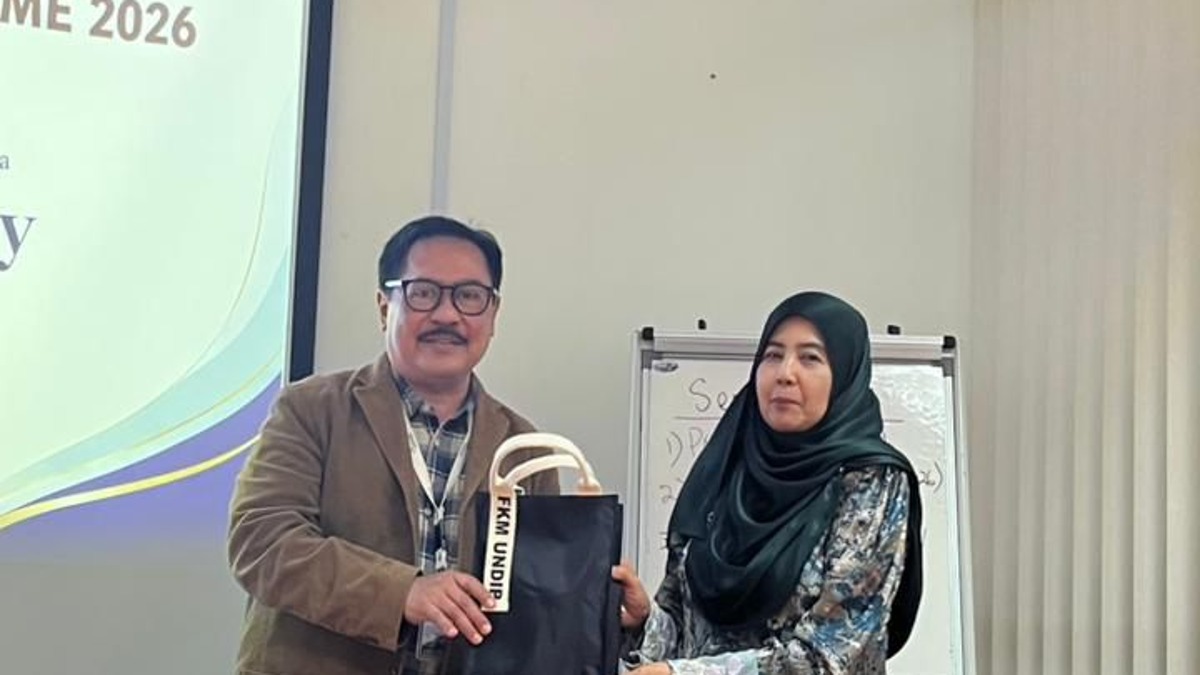
Handover of souvenirs in the opening series of mobility programs.
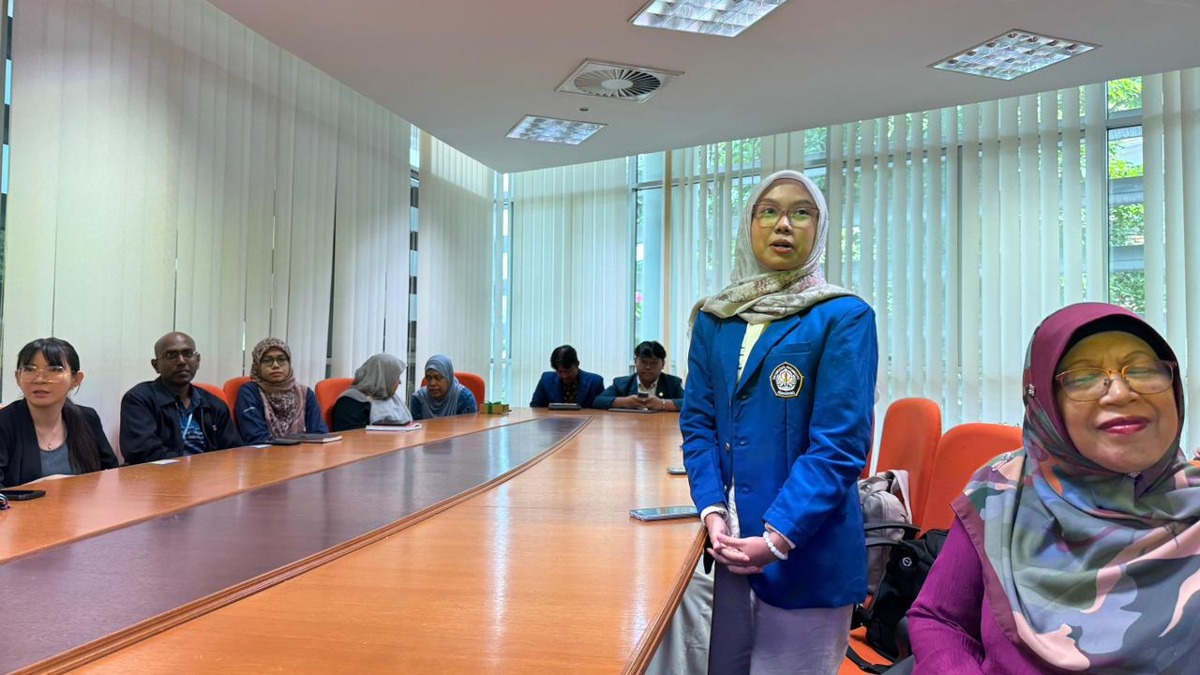
Discussion session and submission of research ideas in the meeting room.
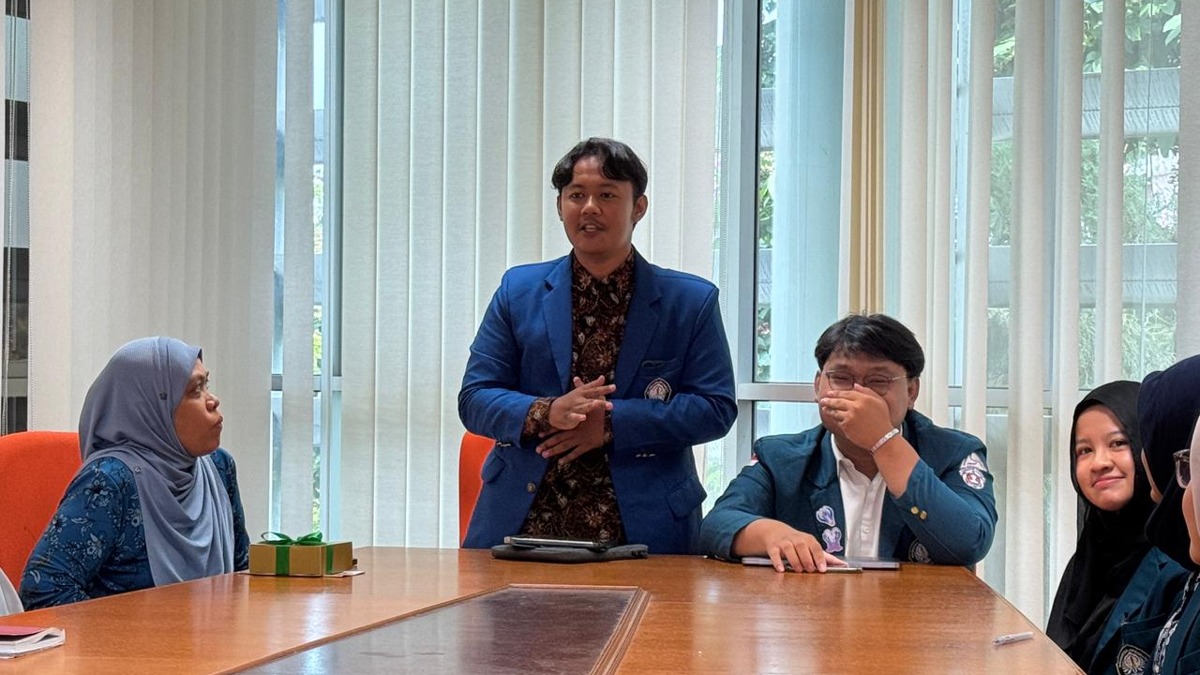
Participants presented their respective research designs and developments.
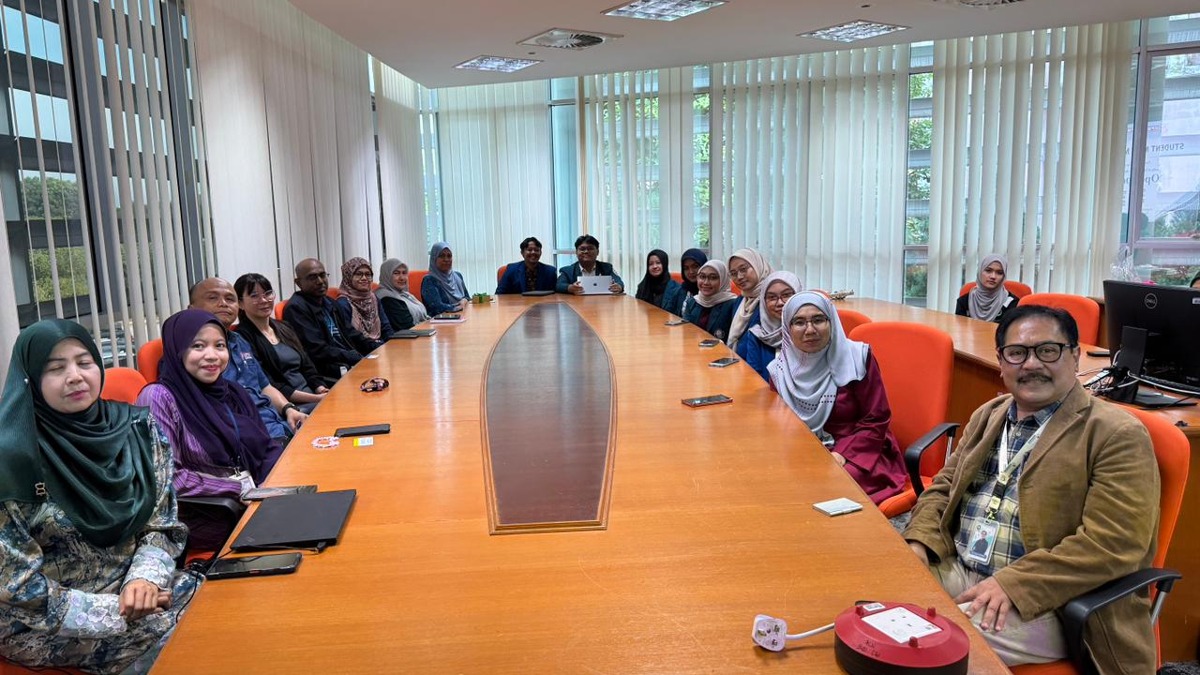
Academic coordination and joint guidance activities.