

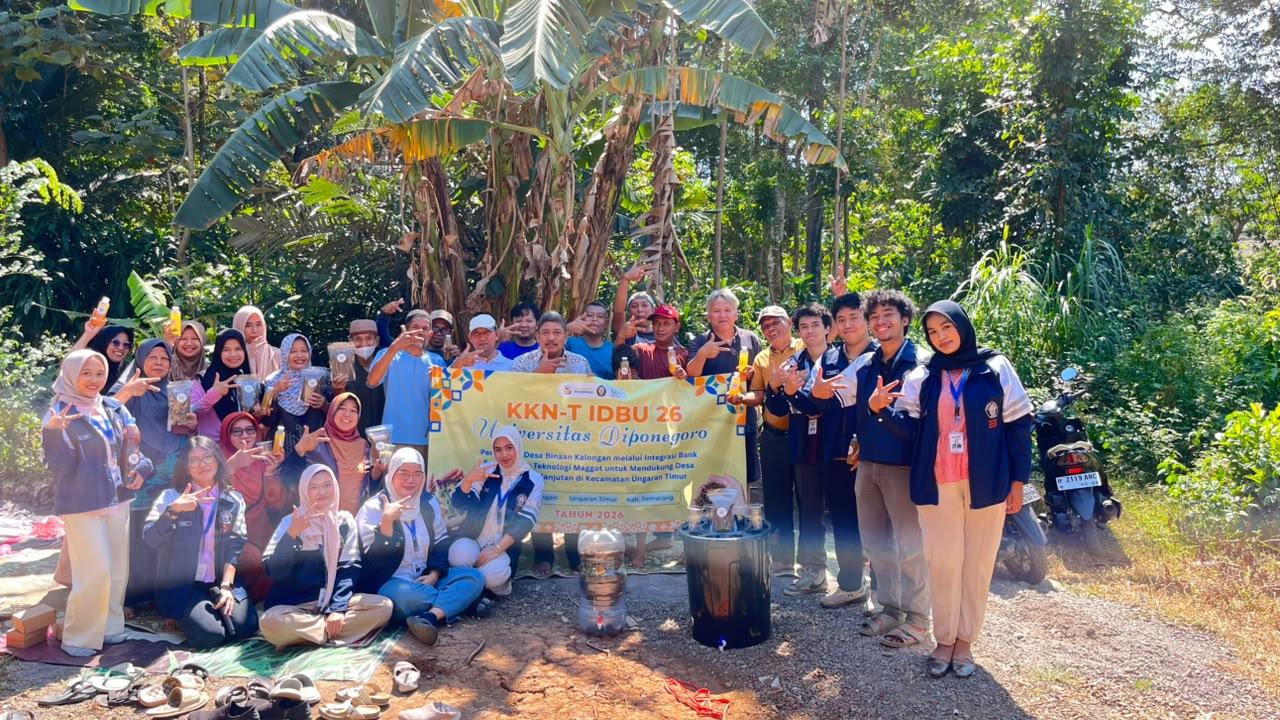
The Faculty of Public Health (FPH), Universitas Diponegoro (UNDIP), continues to strengthen its commitment to supporting the achievement of the Sustainable Development Goals (SDGs) through the 2026 Universitas Diponegoro Science and Technology for Fostered Villages Programme (Program Pengabdian Iptek Bagi Desa Binaan/IDBU). Led by Lintang Dian Saraswati, Ph.D. from the Division of Epidemiology and Tropical Diseases, FPH UNDIP, the programme is entitled “Strengthening Kalongan Fostered Village through the Integration of Waste Banks and Maggot Technology to Support Sustainable Tourism Village Development in Ungaran Timur District.”
The programme was developed through a multidisciplinary collaboration involving academics from the Division of Health Promotion and Behavioural Sciences, FPH UNDIP, and the Faculty of Fisheries and Marine Sciences (FPIK). This interdisciplinary collaboration integrates expertise in epidemiology, health promotion, and fisheries technology to deliver a comprehensive community empowerment approach. The programme implementation is supported by students from FPH, FPIK, and the Faculty of Medicine (FK), who introduced a range of community-based innovations aligned with SDG 3 (Good Health and Well-being), SDG 11 (Sustainable Cities and Communities), SDG 12 (Responsible Consumption and Production), and SDG 13 (Climate Action) through improved waste management, maggot technology, community health promotion, and sustainable tourism village development.
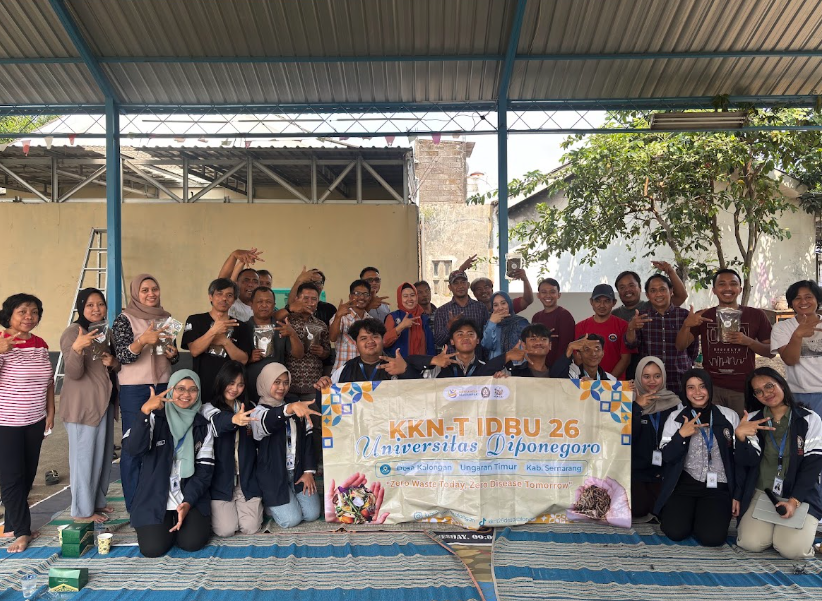
Figure 1 Training on kasgot production as part of strengthening the Village Waste Bank to support the circular economy in Kalongan Village
One of the programme’s flagship innovations is the integration of the village Waste Bank with Black Soldier Fly (BSF) maggot farming as part of a circular economy approach. Household organic waste is processed as a growing medium for maggots, which are subsequently utilised as an alternative high-protein feed source for fish and livestock. The remaining residue (kasgot) is further processed into organic fertiliser. This integrated model not only reduces the volume of organic waste but also creates additional economic opportunities for local communities while supporting Kalongan Village’s vision of becoming a clean, healthy, and sustainable tourism village.
In addition to promoting maggot cultivation, the team also introduced the production of liquid organic fertilizer (POC), RABAL probiotics, and an aquaponic system that integrates fish and plant cultivation. These innovations are expected to enhance food security, reduce dependence on chemical-based inputs, and provide environmentally friendly aquaculture alternatives for the local community.
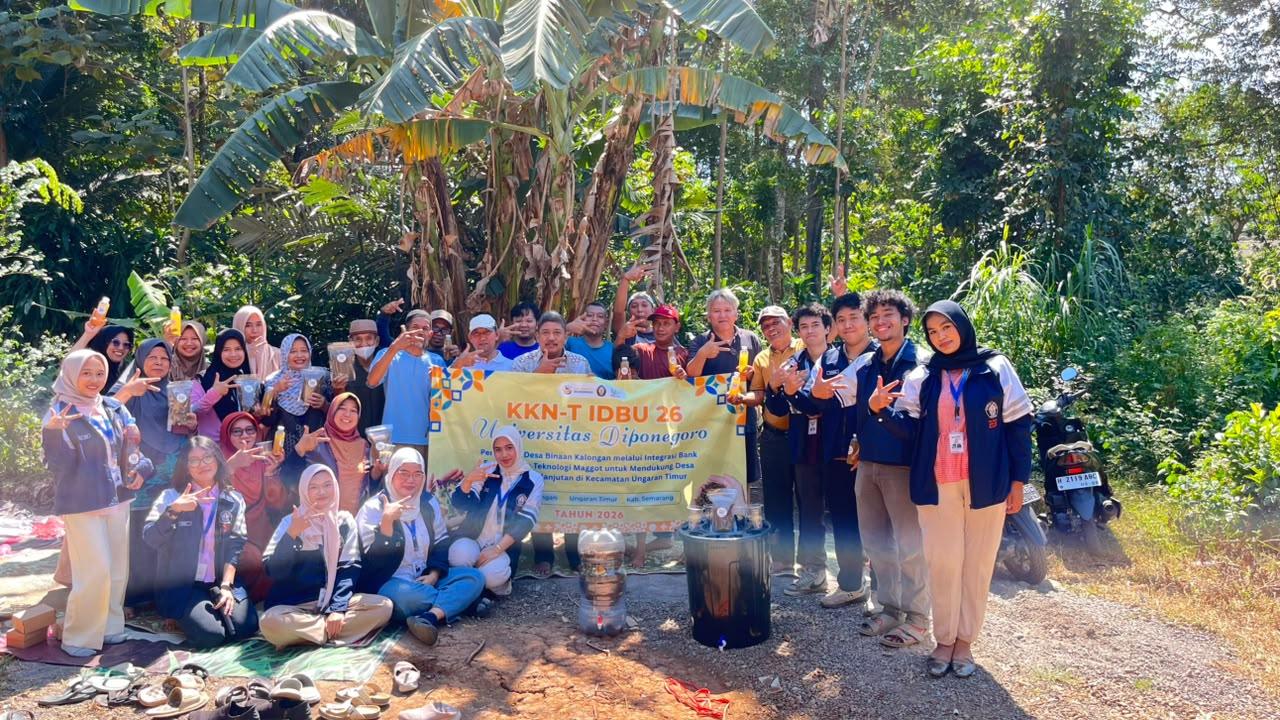
Figure 2 Training on the production of liquid organic fertilizer, Rabal Probiotics, and the application of kasgot as a growing medium for family medicinal plants
According to Lintang Dian Saraswati, Ph.D., Chair of KKN-T IDBU 26, the programme aims not merely to introduce maggot farming technology but to establish a sustainable community empowerment system that will continue beyond the completion of the programme.
“We envision the Village Waste Bank as a centre for community education and empowerment through a circular economy approach, enabling its benefits to be sustained and further developed independently by the people of Kalongan Village.
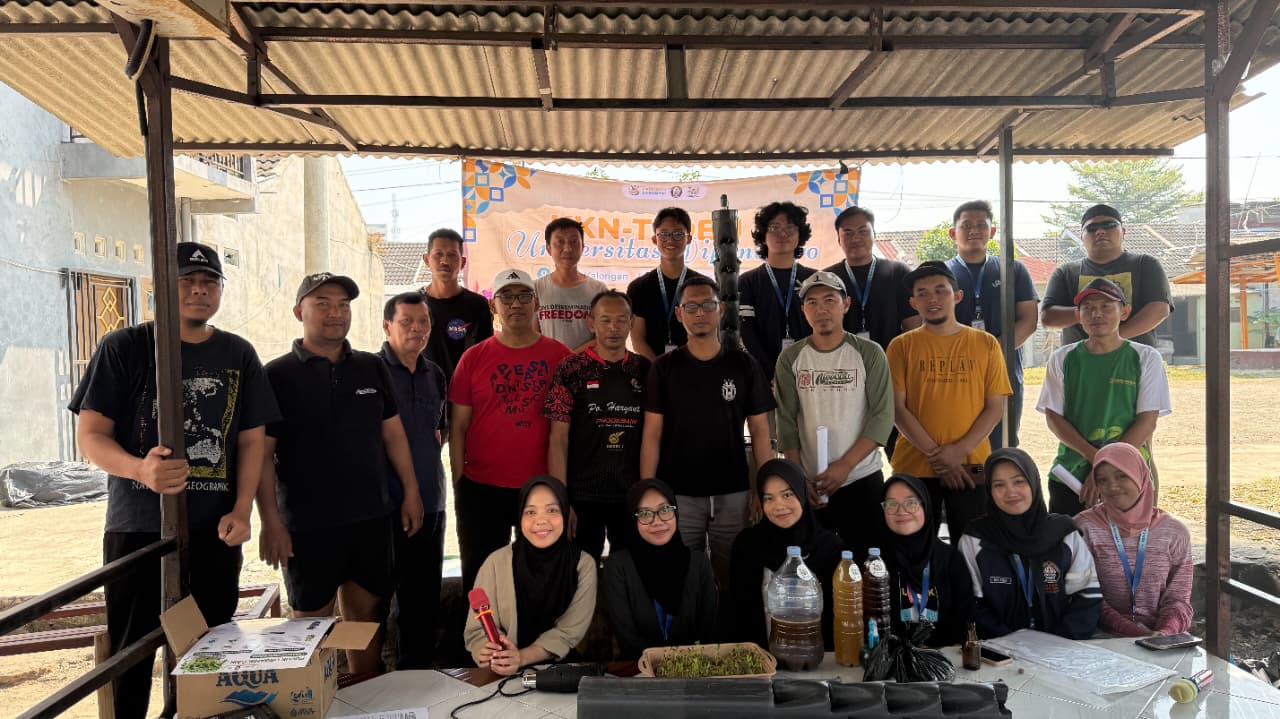
Figure 3 Aquaponics training, including an introduction to the system’s working principles, proper fish feeding practices, and fertilizer application for sustainable fish and plant cultivation.
Through its multidisciplinary approach, the programme contributes to several SDGs, including SDG 2 (Zero Hunger), SDG 3 (Good Health and Well-being), SDG 12 (Responsible Consumption and Production), and SDG 13 (Climate Action). Furthermore, the programme is expected to strengthen community capacity in managing the Village Waste Bank independently while promoting maggot farming as a sustainable circular economy initiative.
Through the leadership of Faculty of Public Health, Universitas Diponegoro and cross-faculty collaboration, KKN-T IDBU 26 is expected to serve as an example of good practice of multidisciplinary community engagement in support of the Sustainable Development Goals (SDGs), while delivering practical innovations that address the needs of the Kalongan Village community in a sustainable manner.
Author: KKN-T IDBU 26 Publication Team