

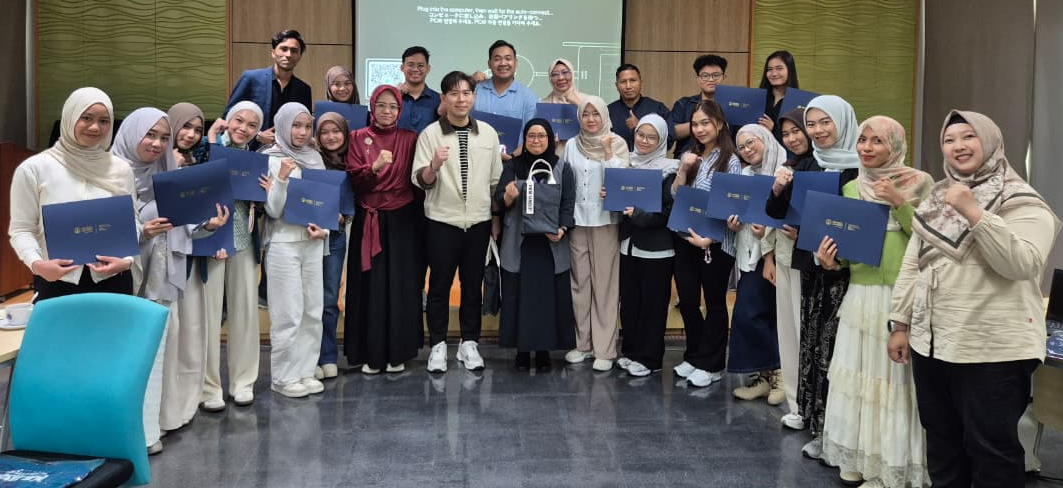
Salaya, Thailand – The Faculty of Public Health, Universitas Diponegoro (FPH UNDIP), continues to strengthen the internationalization of education through its Student Goes International program. As part of this initiative, students and lecturers participated in the International Academic Networking (IAN) Workshop entitled “Promoting Physical Activity for NCD Prevention: Global and Southeast Asian Perspectives,” organized by the Institute for Population and Social Research (IPSR), Mahidol University, Thailand, on October 13–17, 2026.
The program involved three FPH UNDIP lecturers: Dr. Ratih Indraswari, S.KM., M.Kes.; Novia Handayani, S.KM., MA, M.Kes.; and Aditya Kusumawati, S.KM., M.Kes., accompanied by 20 students from different academic programs. The student participants consisted of eight undergraduate students from the Public Health Study Program, specializing in Health Promotion and Behavioral Sciences (PKIP); one student from the Undergraduate Public Health Study Program, specializing in Public Health Nutrition; and eleven students from the Master of Health Promotion Program.
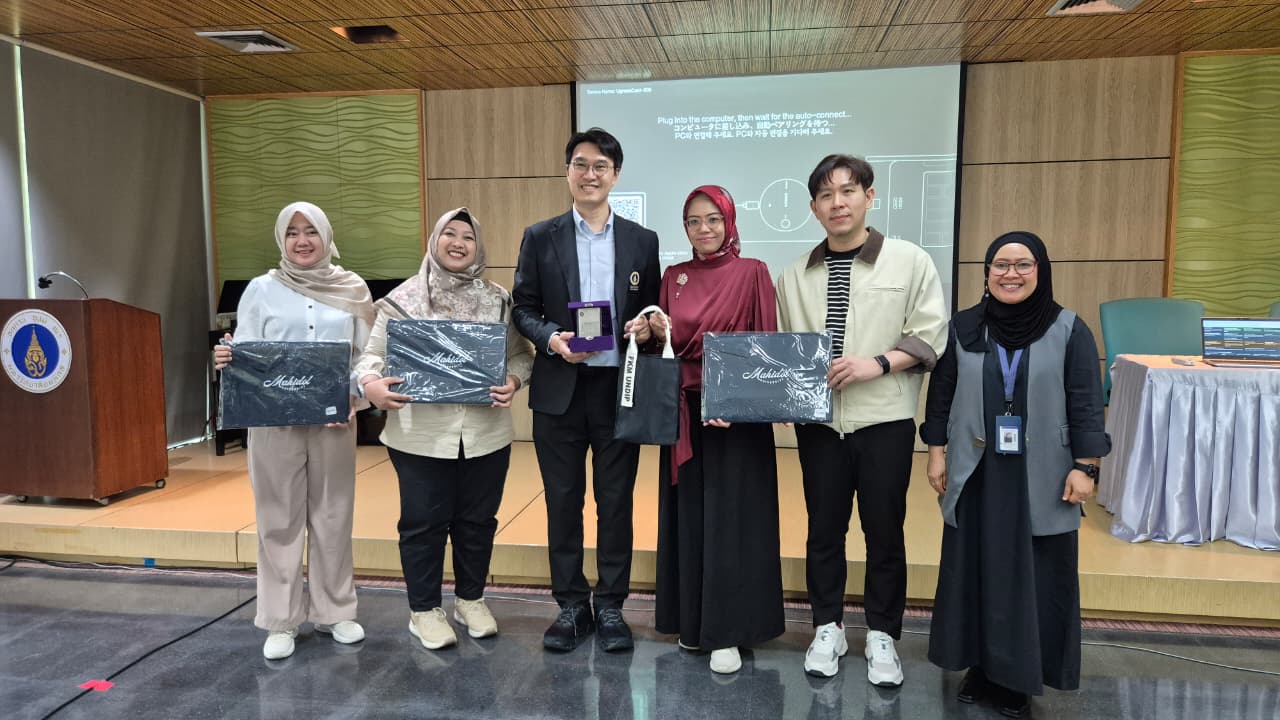
This activity is supported by the funding from the World Class University (WCU) program. Participation in this international academic activity provided a valuable opportunity for students and lecturers to gain international learning experiences, broaden their understanding of global health issues, and interact with academics and participants from diverse backgrounds.
The workshop focused on physical activity promotion as an important strategy for preventing non-communicable diseases (NCDs). Topics included the foundations of physical activity, its relationship with NCDs and mental health, the global and Southeast Asian physical activity landscape, World Health Organization (WHO) guidelines, and physical activity assessment using the Global Physical Activity Questionnaire (GPAQ).
In addition to attending academic sessions, participants engaged in various interactive learning activities, including problem mapping, target population identification, group discussions, intervention development, presentations, and feedback sessions. These activities enabled participants to explore how scientific evidence can be translated into practical and context-specific health promotion interventions.
The participation of students from both undergraduate and postgraduate programs also created opportunities to exchange multidisciplinary perspectives, particularly in health education, behavioral science, public health nutrition, and health promotion. This experience is expected to enrich the learning process and encourage students to adopt broader perspectives in addressing public health challenges.
Beyond academic learning, the workshop also served as an opportunity to strengthen international academic networks between FPH UNDIP and IPSR, Mahidol University. Through interactions and discussions during the program, opportunities emerged for future academic collaboration, including joint research, scientific publications, student and faculty exchanges, and other joint academic activities.
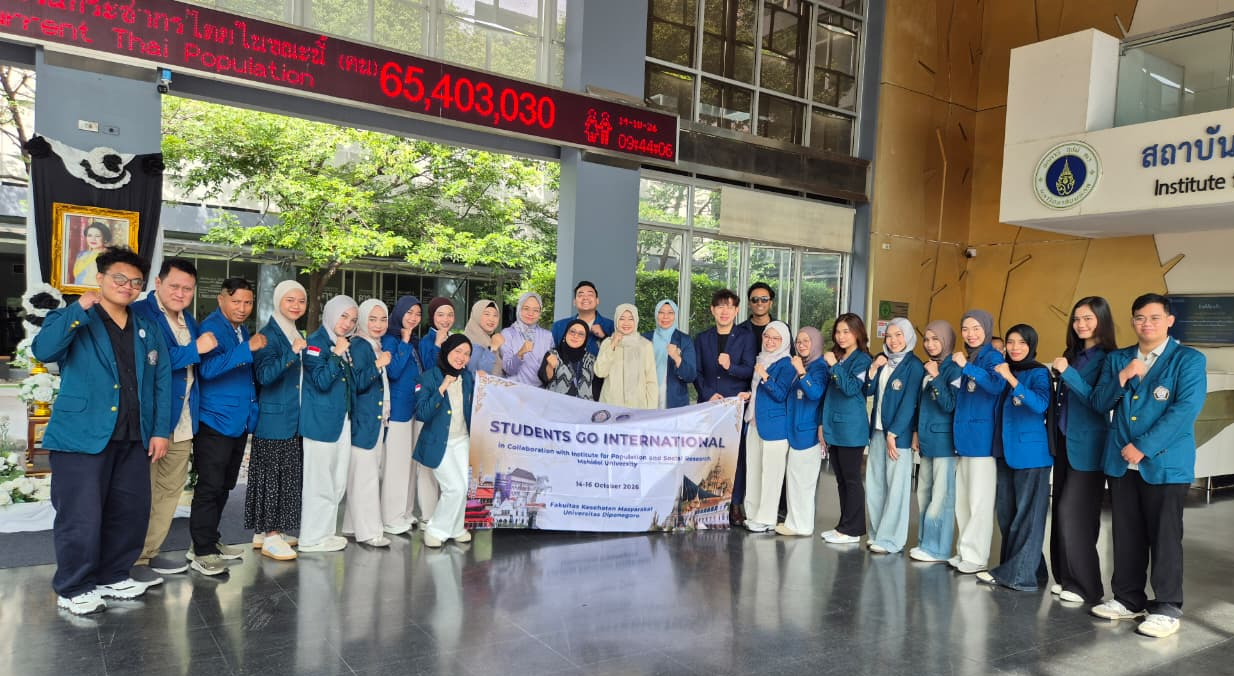
The Student Goes International program reflects FPH UNDIP’s commitment to providing students with globally oriented learning experiences. Through this initiative, students are expected not only to gain knowledge from an international academic environment but also to develop their competencies, enhance their confidence, and expand their professional networks to address future public health challenges.
Through the participation of students and lecturers in this international workshop, FPH UNDIP continues to promote globally oriented, collaborative, and impactful public health education.