

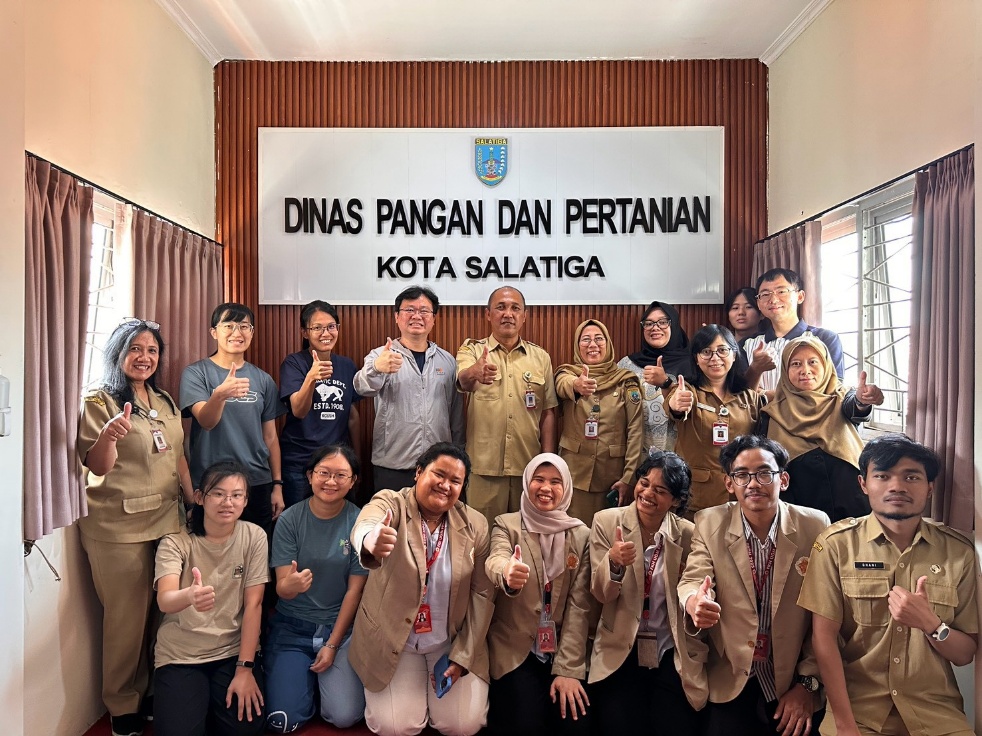
Salatiga, 18 August 2026 — An academic team from National Taiwan University (NTU), together with Universitas Diponegoro, conducted a visit to the Salatiga City Food and Agriculture Office. The visit formed part of a broader series of academic and field activities aimed at strengthening collaboration and knowledge exchange in the fields of public health, animal health, and zoonotic infectious diseases.
The visit was attended by Prof. Kun-Hsien Tsai, Ph.D., and six students from the Department of Public Health & Institute of Environmental and Occupational Health Sciences, National Taiwan University, together with students from the Faculty of Public Health, Universitas Diponegoro, as part of a collaborative activity between academic institutions and local stakeholders.
During the visit, the team had the opportunity to engage in discussions with representatives of the Salatiga City Food and Agriculture Office regarding health issues related to animals and the environment. The session continued with a presentation on zoonotic infectious diseases, including the importance of understanding the potential for disease transmission through interactions among animals, humans, and the environment.
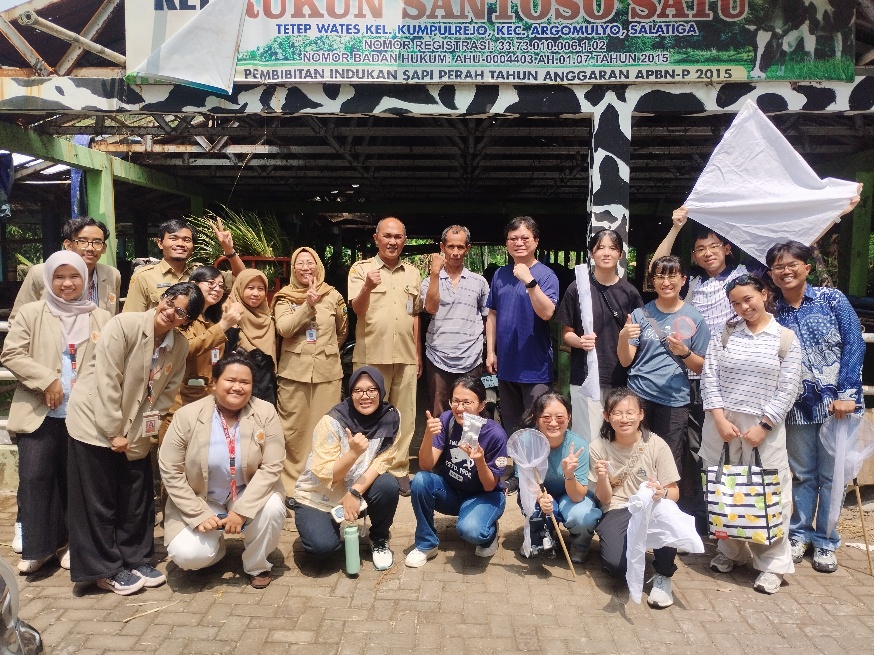
Figure 1. Field practice at a cattle farm in Salatiga
The team then proceeded with a tick survey in the farm area, particularly within the cattle enclosures. This survey was conducted to obtain an overview of the presence and condition of ticks within the farm environment, as part of broader efforts to monitor vectors and diseases potentially transmitted through ticks.
This field activity also served as a direct learning opportunity for the team to understand farm environmental conditions and the factors that may contribute to the presence and distribution of ticks. The data and findings obtained from the survey are expected to provide supporting information for understanding the relationship between animal health, the environment, and the potential risk of infectious disease.
This visit and survey reflect the importance of cross-institutional and cross-country collaboration in addressing the challenges posed by infectious diseases. Synergy among universities, local government, and international partners is expected to support the strengthening of research and surveillance capacity, as well as the development of a One Health approach that integrates aspects of human health, animal health, and environmental health. Through this activity, academic cooperation is realized not only through the exchange of knowledge but also through direct field observation and data collection, thereby supporting the development of more comprehensive disease research and surveillance in the future.