

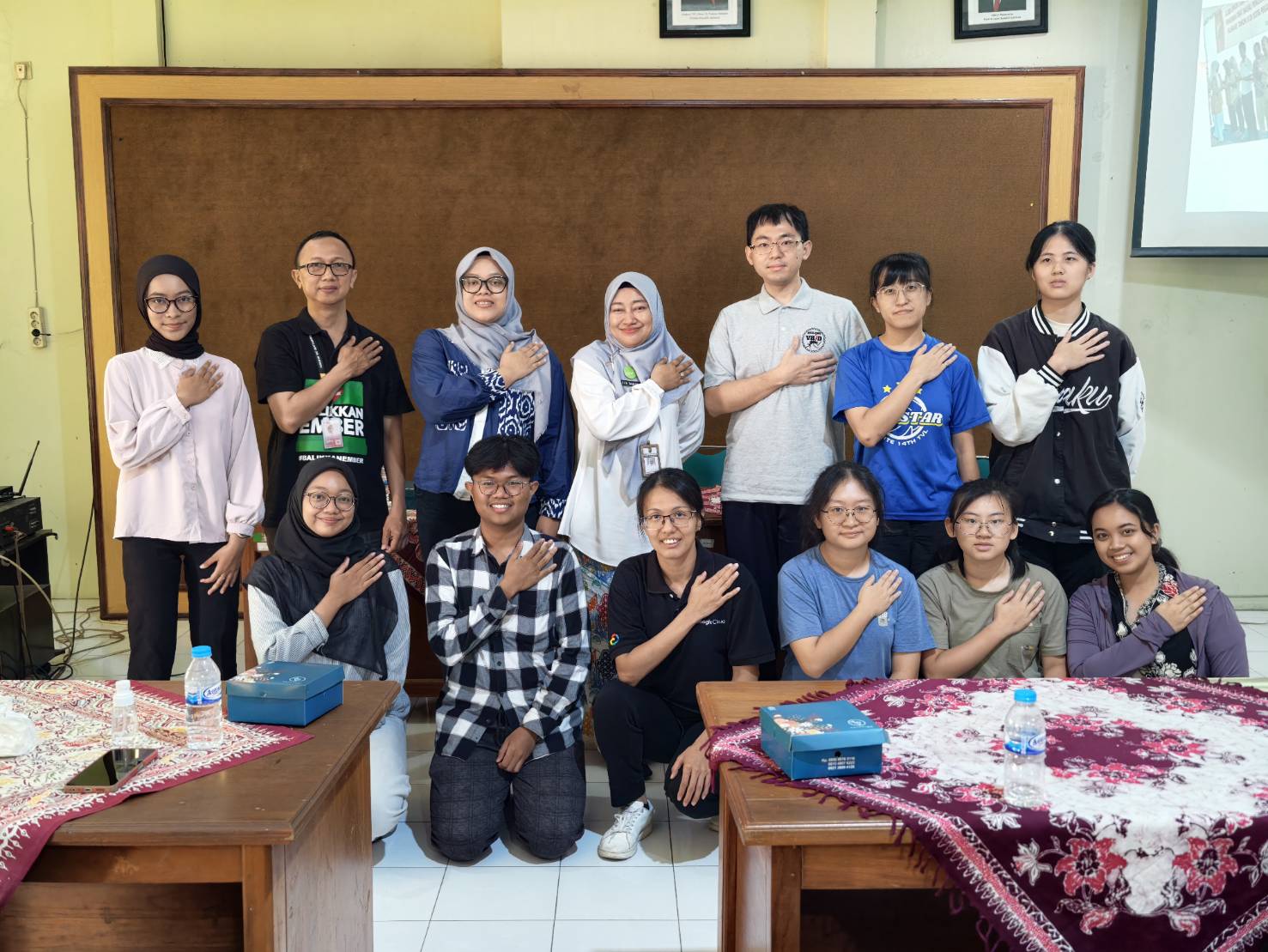
Pekalongan, 21–22 August 2026 — Students from Department of Public Health & Institute of Environmental and Occupational Health Sciences, National Taiwan University (NTU ), together with students from the Faculty of Public Health, Universitas Diponegoro (FPH UNDIP), conducted an academic visit to the Pekalongan City Health Office as part of a series of collaborative and field-based learning activities in public health and health entomology.
The activity began with a visit and discussion with officials of the Pekalongan City Health Office. On this occasion, the Head of the Disease Prevention and Control Division (P2P), dr. Dita Rasnasuri, M.K.M., and the Pekalongan City Health Epidemiologist, Opik Taufik, S.K.M., M.K.M., presented an overview of the filariasis situation in Pekalongan City, including the challenges faced and the control efforts undertaken in the region.
The activity continued with an interactive discussion involving students from National Taiwan University, students from Universitas Diponegoro, and representatives of the Pekalongan City Health Office. The discussion covered various aspects related to filariasis, ranging from its epidemiological profile and control strategies to the challenges encountered in implementing health programs at the local level. The exchange of experiences and perspectives between students and health practitioners served as an important element in enriching the understanding of region-based disease control.
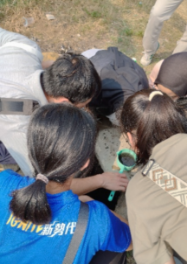
Figure 1. Larval survey of Culex spp. mosquitoes in Jenggot Village, Pekalongan City
Following the activity at the Health Office, the program continued with an entomological survey in Jenggot Village, Pekalongan City. The team surveyed Culex spp. larvae found in breeding habitats within the community environment.
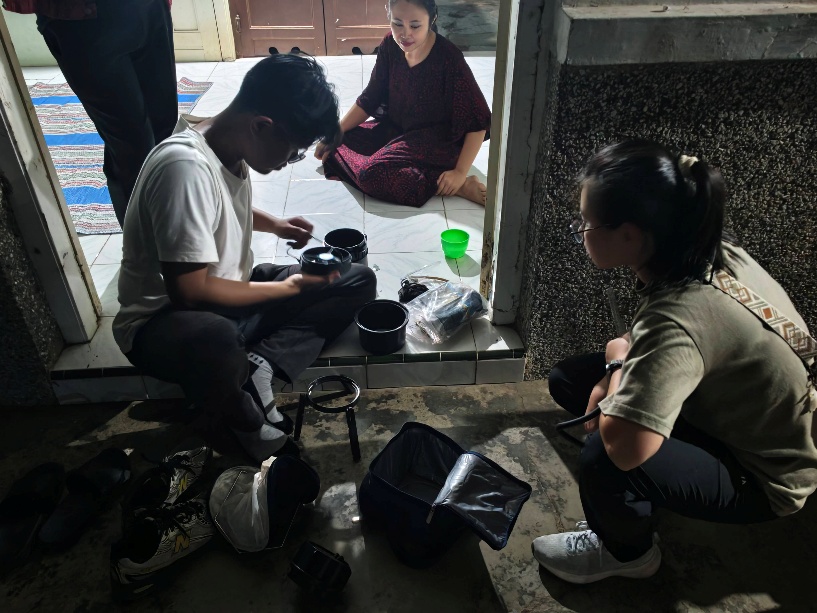
Figure 2. Adult mosquito survey of Culex spp. in Jenggot Village, Pekalongan City
In addition to the larval survey, the team also carried out adult mosquito trapping in Jenggot Village, Pekalongan City. The captured mosquitoes were subsequently identified morphologically to determine the species found at the survey site. This activity provided students with direct experience in field-based vector observation, encompassing larval habitat searching, sample collection, adult mosquito trapping, and the identification process.
This series of activities in Pekalongan City forms part of broader efforts to strengthen field-based learning and international collaboration in the fields of public health and health entomology. The interaction among students, academics, and health workers at the local level provided an opportunity to connect academic knowledge with real conditions in the field, particularly in understanding filariasis and the role of Culex spp. as one of the vectors associated with the disease. Through this activity, it is hoped that an exchange of knowledge and experience will be fostered among National Taiwan University, Universitas Diponegoro, and the Pekalongan City Health Office, while also supporting the development of student capacity in community-based disease surveillance and health entomology.