

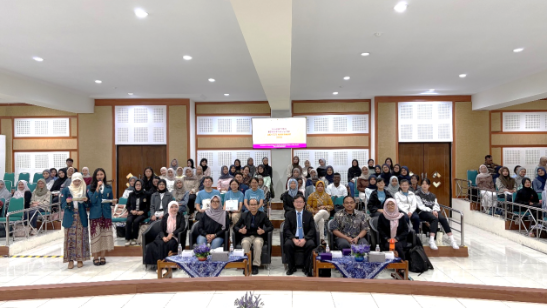
Semarang, 19 August 2026 — The Faculty of Public Health, Universitas Diponegoro, through its Department of Epidemiology and Tropical Diseases, held the International Workshop on Vector and Pest Management 2026 at Hall D, FPH UNDIP. The event was attended by students specializing in epidemiology and tropical diseases as well as health entomology, and was also open to the public. The workshop combined theoretical presentations with hands-on practice on vectors and pests closely related to public health.
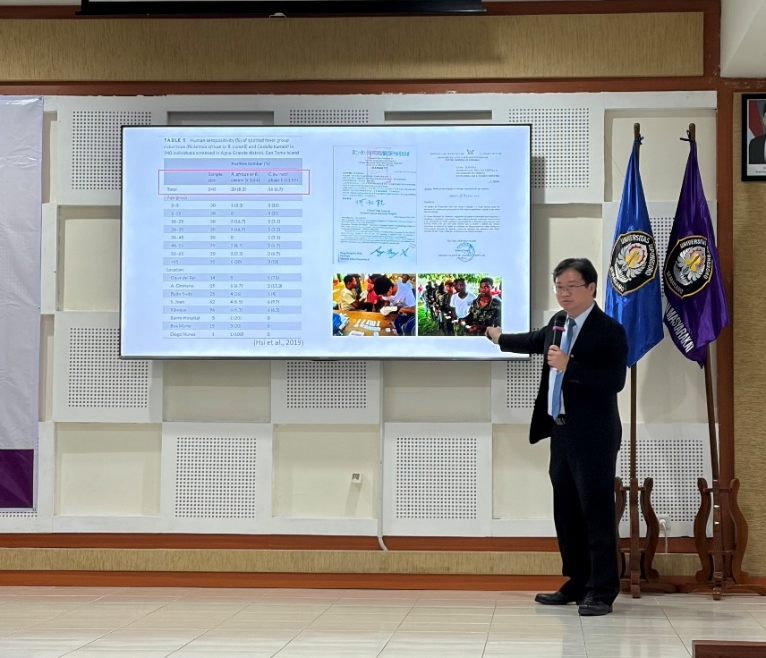
Figure 1. Prof. Kun-Hsien Tsai, Ph.D., delivering a presentation on Vector Control for Disease Prevention
One of the sessions featured Prof. Kun-Hsien Tsai, Ph.D., from the Department of Public Health & Institute of Environmental and Occupational Health Sciences, National Taiwan University, who presented on “Vector Control for Disease Prevention”. Prof. Tsai explained the role of vector control in disease prevention efforts and emphasized the importance of vector identification skills as an initial step in understanding disease transmission risk.
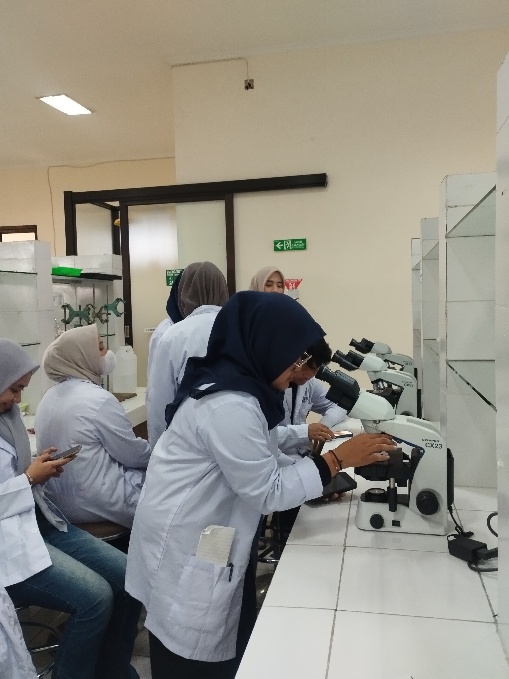
Figure 2. Participants conducting mosquito morphological identification together with Prof. Kun-Hsien Tsai, Ph.D.
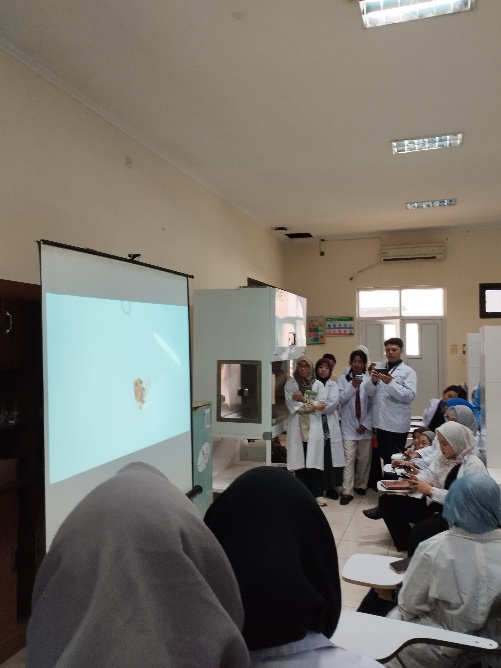
Figure 3. Participants performing mosquito dissection practice to observe the spermatheca, ovaries, and salivary glands
In addition to the seminar sessions, participants also had the opportunity to take part in mosquito morphological identification practice. They were trained to observe morphological characteristics of mosquitoes as the basis for species identification. This session was followed by mosquito dissection practice, which introduced participants directly to several important organs, including the spermatheca, ovaries, and salivary glands of mosquitoes.
This practice provided participants with an understanding of the internal anatomical structure of mosquitoes, as well as insight into how these organs can be applied in various studies of entomology and public health. Observation of the ovaries, for instance, relates to studies of mosquito physiology and reproductive status, while the spermatheca and salivary glands play an important role in research on mosquito reproduction and vector competence for disease transmission.
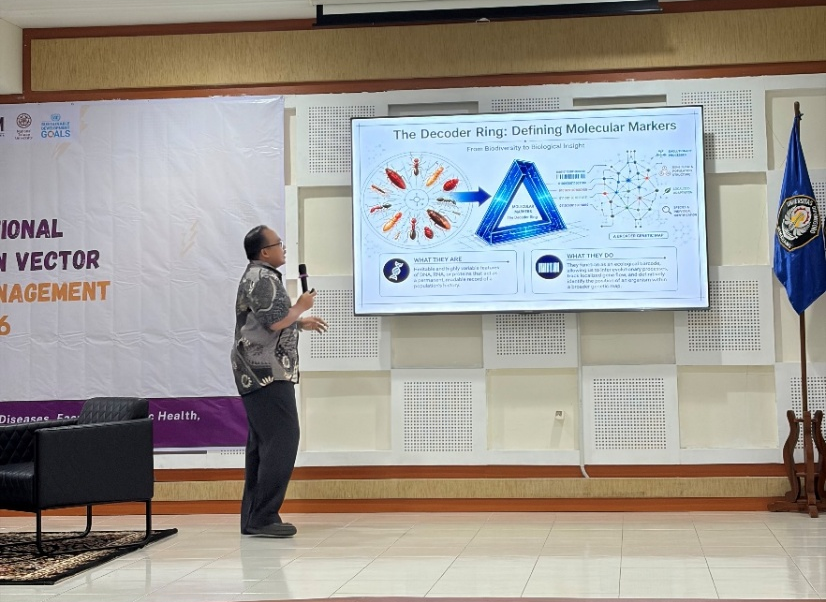
Figure 4. Prof. Ts. Dr. Abdul Hafiz Ab Majid delivering a presentation on Pest in Public Health
Meanwhile, Prof. Ts. Dr. Abdul Hafiz Ab Majid from the School of Biological Sciences, Universiti Sains Malaysia, presented on “Pest in Public Health.” In his presentation, Prof. Ts. Dr. Abdul Hafiz Ab Majid discussed the presence of pests and their impact on public health, as well as the importance of understanding pest characteristics and behavior as a basis for their management and control.
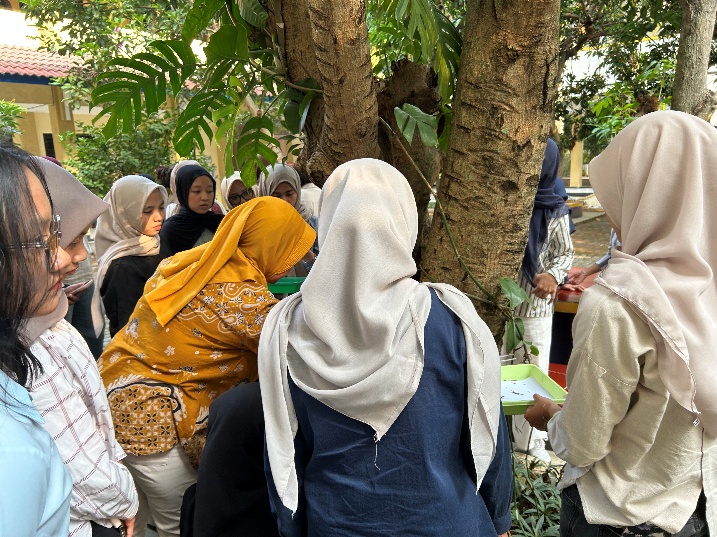
Figure 5. Termite inspection conducted around the FKM UNDIP
The session with Prof. Ts. Dr. Abdul Hafiz Ab Majid was followed by a direct termite inspection conducted around the FPH UNDIP. Participants were invited to observe environmental conditions and to identify the presence and signs of termite infestation firsthand. This activity provided participants with practical experience demonstrating that pest management is not confined to the laboratory, but also requires direct environmental observation as part of integrated pest management efforts.
The combination of seminar sessions, field observation, morphological identification, and dissection practice ensured that this workshop provided not only theoretical understanding but also enriched participants’ practical skills in the field of health entomology. Through this event, the Faculty of Public Health, Universitas Diponegoro, continues to strengthen student capacity in the field of vector and pest management, while broadening participants perspectives through the exchange of knowledge and experience with international experts. The workshop is expected to support the development of competencies among students and academics in addressing various public health challenges related to vectors and pests.