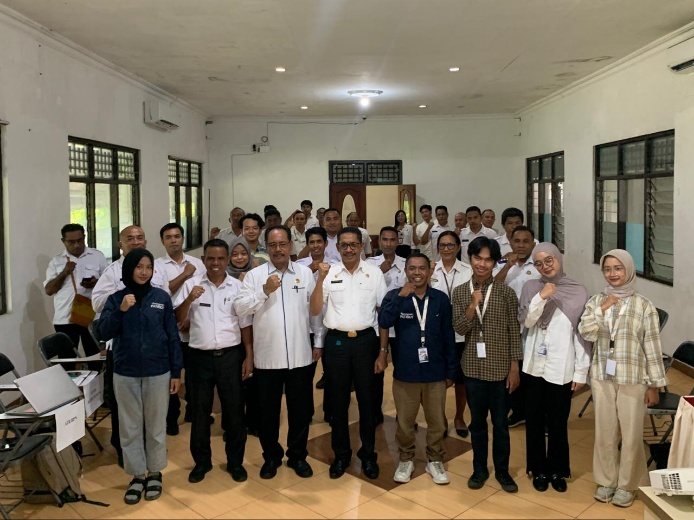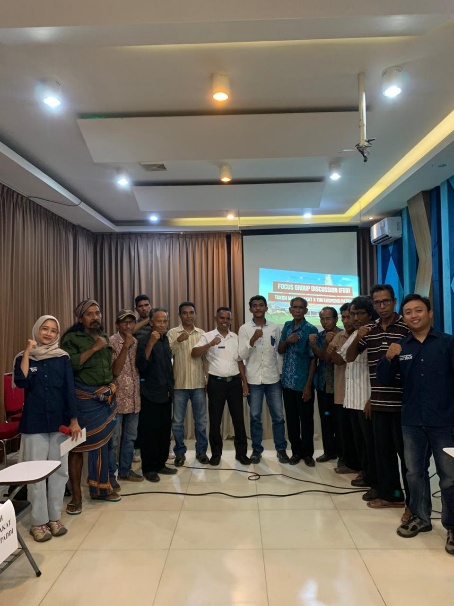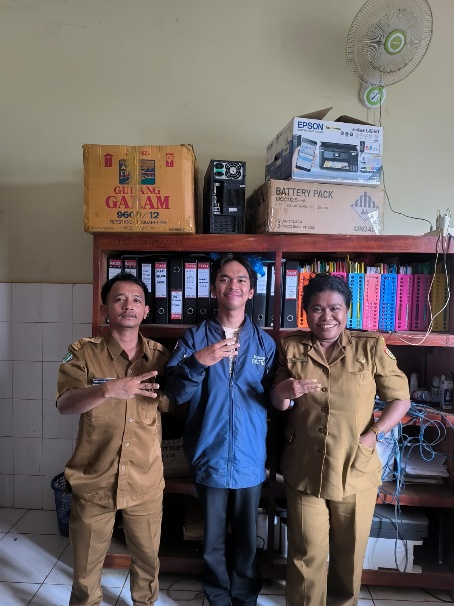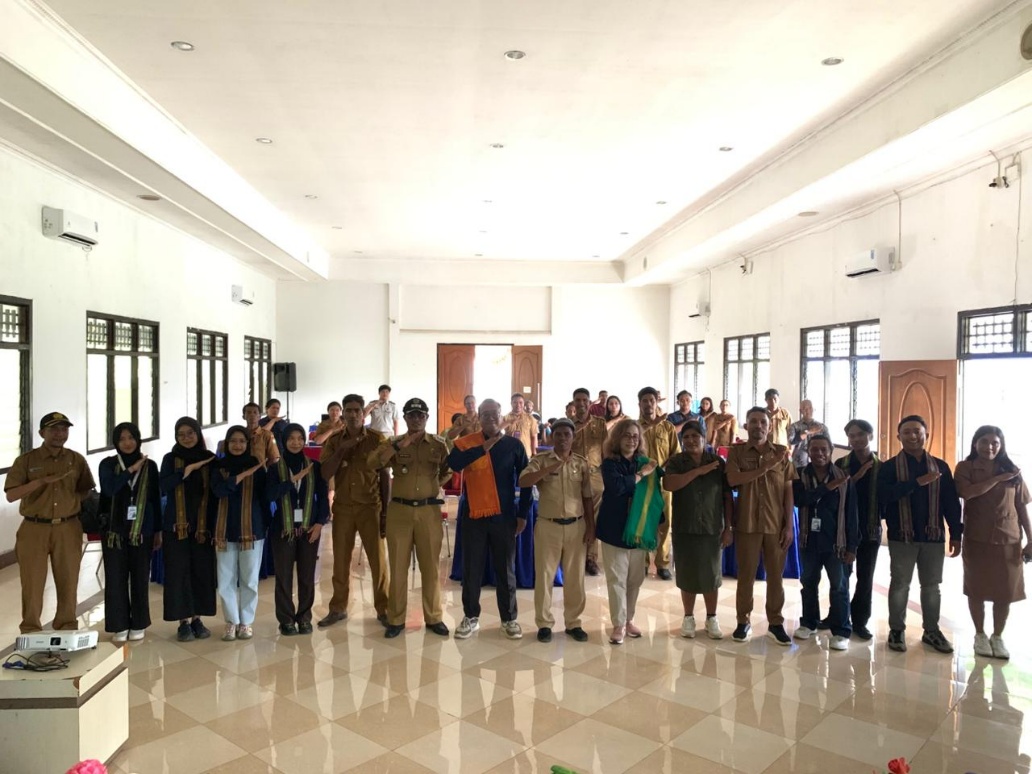
A student of the Faculty of Public Health, Universitas Diponegoro, Muhammad Ghifari, together with the Patriot Expedition team, conducted a Focus Group Discussion (FGD) in the transmigration area of Kodi–Loura–Wewewa, Southwest Sumba Regency. The activity was carried out under the supervision of Dr. Ayun Sriatmi, S.KM., M.Kes. as part of student community-based learning and engagement.
The FGD, led by Muhammad Ghifari and the team, involved village heads, community leaders, traditional leaders, religious leaders, and representatives of local government agencies (OPD). During the discussion, residents expressed various health-related concerns faced in the transmigration area, with limited access to basic health services identified as the most urgent issue.
“When someone suddenly gets sick, it is often difficult for us to reach the health center because of the long distance and poor road conditions, especially during the rainy season,” said one community representative during the FGD.
In addition to healthcare access, participants also highlighted environmental conditions, particularly the uneven availability of clean water and sanitation facilities. These conditions were perceived to have a direct impact on household health and to increase the risk of environment-related diseases.
“Clean water is not always available. When water trucks do not arrive, we are forced to use water from open sources for daily needs,” another resident explained.
As an innovation, Muhammad Ghifari and the Patriot Expedition team introduced a spatial-based health problem mapping approach. Data obtained from the FGD were not only collected in narrative form but were also analyzed and mapped spatially to identify the distribution of health problems across transmigration villages. This approach allows health issues to be understood more comprehensively and contextually, based on geographical characteristics.
Another innovative aspect of the activity was the involvement of traditional and religious leaders as key actors in strengthening health promotion efforts. According to Dr. Ayun Sriatmi, S.KM., M.Kes., traditional and religious leaders hold a high level of trust within the community, making their involvement a strategic approach to improving the acceptance of health messages and encouraging healthy behavioral change.
“Health approaches that involve traditional and religious leaders have great potential to encourage positive health behavior changes in transmigration areas,” Dr. Ayun Sriatmi stated.
Through the integration of participatory FGDs, spatial health problem mapping, and the strengthening of local leadership roles, the activity carried out by Muhammad Ghifari and the Patriot Expedition team presents an innovative approach to identifying community health problems in the transmigration area of Kodi–Loura–Wewewa.
Documentation :